
Businesses rely on digital tools for almost every part of their daily operations. From managing customers and employees to organizing information, processing requests, communicating with teams, and delivering online services, software has become an essential part of modern business.
But selecting the right software is not always simple.
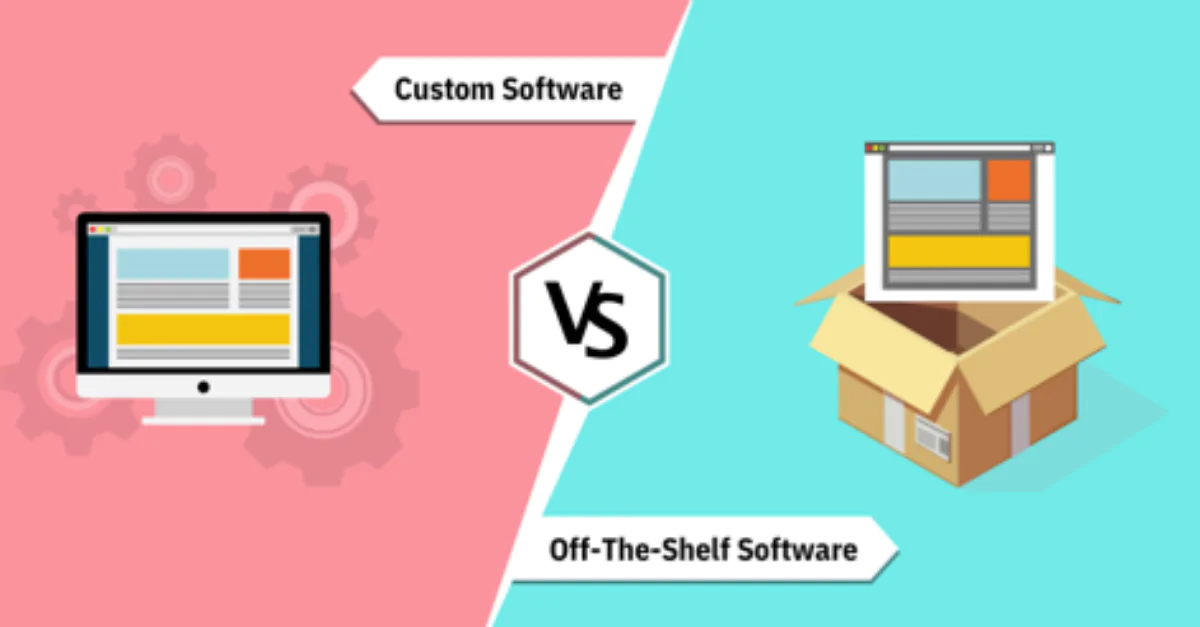
Should a business purchase an existing platform that is ready to use, or should it invest in custom software development designed around its own requirements?
The answer depends on several factors, including business processes, budget, implementation time, user requirements, integrations, scalability, and long-term objectives.
Pixel Sketch Studio understands that digital solutions should not only function properly but also create a practical and user-friendly experience. For businesses considering custom software vs ready-made software, understanding the difference between these approaches is an important first step.
What Is Ready-Made Software?
Ready-made software, also called off-the-shelf software, is created for a broad market. It includes predefined features that address common business requirements.
Businesses can find ready-made software for accounting, customer management, communication, project management, HR, inventory, reporting, collaboration, and many other functions.
One of its biggest advantages is speed. Since the platform has already been developed, businesses can generally start implementation much faster than with a completely new system.
Ready-made software can be especially useful when business processes are relatively standard and the available features already match the organization’s needs.
What Is Custom Software?
Custom software is developed specifically for an organization’s requirements.
Instead of using a standard platform and adjusting business processes around it, custom software can be planned around the actual workflow of the organization.
Custom software solutions may include web applications, customer portals, internal platforms, workflow management systems, dashboards, specialized databases, and systems that connect multiple business applications.
The key benefit is flexibility. Businesses can decide what functionality they need and how users should interact with the system.
However, custom software requires more planning and development than an existing solution.
Custom Software vs Ready-Made Software: Key Differences
Understanding the main differences can help businesses make a more informed decision.
Flexibility
Ready-made software provides a predefined structure. Businesses may be able to configure settings or add extensions, but there are usually limits to how much the platform can be changed.
Custom software can be structured around specific workflows and requirements.
This can be particularly useful for businesses with processes that are different from standard industry practices.
Implementation Time
One of the biggest benefits of ready-made software is faster implementation.
The platform already exists, so businesses mainly need to configure it, migrate information, train users, and begin operations.
Custom software takes longer because it requires planning, design, development, testing, and deployment.
Cost
Cost is an important factor in the custom software vs off-the-shelf software decision.
Ready-made software may require a subscription or licensing fee, making the initial investment easier to estimate.
Custom software development usually requires a larger initial investment, but it can be designed to avoid unnecessary features and ongoing limitations.
Businesses should therefore consider total cost rather than only the initial price.
User Experience
A ready-made platform is designed for a wide range of users.
That can be an advantage because the software may already have a proven interface, but it can also mean that users encounter features they do not need.
Custom software can focus the user experience around specific tasks and workflows.
This can make the system more relevant to employees, customers, or other users.
Scalability
As a business grows, its software requirements may change.
Ready-made platforms may offer higher subscription tiers or additional modules.
Custom software can be developed with future expansion in mind, allowing new features and integrations to be added when necessary.
Benefits of Ready-Made Software
Ready-made software for business can offer several practical advantages.
Faster Deployment
Businesses can begin using an established platform without waiting for a complete development cycle.
Proven Features
Many off-the-shelf software solutions already include features that have been developed for common business requirements.
Regular Improvements
Commercial software providers often release updates, improvements, and security enhancements.
Support Availability
Established software products may provide technical support, documentation, user resources, or implementation assistance.
Lower Initial Development Requirements
Businesses do not need to fund an entire software development process from the beginning.
These benefits make ready-made software attractive for businesses that need standard functionality and fast implementation.
Benefits of Custom Software
Custom software development can provide advantages when business requirements are more specialized.
Designed Around Business Processes
The system can be developed according to the way the organization actually works.
Reduced Unnecessary Functionality
Instead of paying for features that employees never use, a custom solution can focus on relevant functionality.
Specialized Integrations
Custom systems can be designed to communicate with existing applications and business platforms.
Greater Control
Businesses can have more control over workflows, user permissions, interfaces, and future functionality.
Long-Term Adaptability
A custom platform can evolve as business requirements change.
When Should a Business Choose Ready-Made Software?
Ready-made software may be appropriate when the business has straightforward requirements.
It can be a practical option when:
Required features are already available.
The business needs quick implementation.
The organization has limited development resources.
Employees are familiar with similar platforms.
Extensive customization is not required.
The software integrates with existing systems.
For example, a company that needs standard accounting, communication, or project management functionality may benefit from an existing platform rather than developing its own.
When Should a Business Consider Custom Software?
Custom software may be more appropriate when standard platforms cannot adequately support the business.
Businesses may consider custom development when:
Existing software does not match important workflows.
Manual processes are causing delays.
Multiple systems need to be connected.
The business requires a specialized customer portal.
Unique reporting or automation is required.
User experience is a major priority.
Future growth requires greater flexibility.
In these situations, custom software development can help create a solution that is closely aligned with business operations.
A Hybrid Approach Can Also Work
The choice does not always have to be completely custom or completely ready-made.
A hybrid approach can combine both options.
For example, a business could use an established accounting platform while developing a custom customer portal. Another organization could use a ready-made CRM while creating a custom workflow application that connects with it.
This can provide the convenience of existing software while allowing customization where it creates the most value.
What Should Businesses Consider Before Choosing?
Start With the Business Problem
The first question should not be “Which software should we buy?”
Instead, businesses should ask, “What problem are we trying to solve?”
Understanding the problem makes it easier to determine whether custom software or an existing solution is appropriate.
Identify Must-Have Features
Create a list of essential features and separate them from optional requirements.
This helps businesses compare software solutions more objectively.
Review Existing Platforms
Before starting custom software development, research available ready-made solutions.
If an existing platform already meets most requirements, custom development may not be necessary.
Evaluate Integrations
Consider the other systems the software needs to connect with.
Integration requirements can have a major impact on the final technology decision.
Think About Growth
A software solution should not only solve today’s problems.
Businesses should consider how their requirements may change as the organization grows.
Consider the Users
Employees and customers should be considered throughout the decision-making process.
Software that is technically capable but difficult to use can create adoption problems.
Why User Experience Matters
Technology should make business processes easier, not more complicated.
Whether a company chooses custom software or an off-the-shelf platform, the user experience should be considered carefully.
Clear navigation, logical workflows, responsive interfaces, and easy access to important information can make software much more effective.
This is especially important for customer-facing platforms where digital experience can influence how customers interact with a business.
How Pixel Sketch Studio Can Help
Businesses often need more than software functionality. They also need digital experiences that are clear, practical, and aligned with their users.
Pixel Sketch Studio can help businesses think through their digital requirements and develop solutions with usability, functionality, and overall digital experience in mind.
Depending on the project, this can include digital platforms, business websites, web applications, customer-facing experiences, portals, workflow-focused interfaces, and other tailored digital solutions.
The goal is to create technology that supports real business requirements rather than adding unnecessary complexity.
Common Mistakes Businesses Should Avoid
Choosing software based only on price is one common mistake.
A cheaper solution may become expensive if employees have to perform additional manual work because the software does not support their processes.
Another mistake is assuming that custom software is always the right answer.
Custom software is valuable when specific requirements justify it. However, businesses should not develop a new system simply because customization is possible.
Businesses should also avoid selecting software without consulting its actual users. Employees who use the system every day can identify practical problems that may not be obvious during the initial evaluation.
Final Thoughts
The decision between custom software and ready-made software should be based on business requirements rather than trends.
Ready-made software can provide faster implementation, established functionality, regular updates, and predictable starting costs.
Custom software can provide greater flexibility, specialized workflows, tailored user experiences, and greater control over future development.
For some businesses, one approach will be enough. For others, combining ready-made and custom software may provide a practical balance.
The most important step is to understand the business problem, evaluate available options, consider the users, and think about long-term requirements. With the right planning and support from Pixel Sketch Studio, businesses can create digital solutions that are functional, user-focused, and aligned with their growth objectives.