
A customer can recognize a brand before reading its name.
A familiar color combination, typography style, logo, image, or graphic layout can immediately remind someone of a company. This ability to create recognition is one of the most valuable aspects of visual branding.
Today, businesses communicate through websites, social media, digital advertisements, presentations, email campaigns, packaging, and many other channels. Every one of these touchpoints provides an opportunity to strengthen the brand.
A thoughtful visual identity helps businesses create a consistent and memorable presence while communicating their personality to their audience.
Understanding Visual Branding
Visual branding is the process of creating and using visual elements to represent a business.
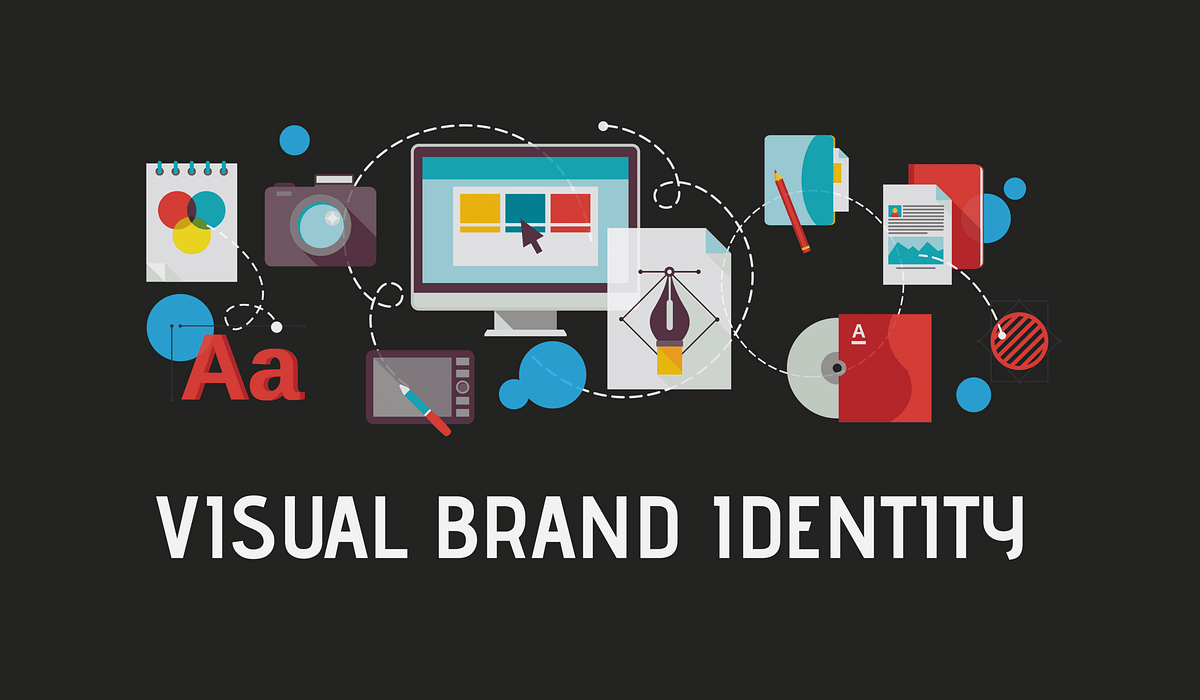
These elements can include:
Logo
Colors
Typography
Photography
Illustrations
Icons
Graphic elements
Website visuals
Social media templates
Marketing materials
Together, these components form a company’s visual brand identity.
Good visual identity design should balance creativity with purpose. A design may look attractive, but it should also communicate the right message to the right audience.
Why Visual Branding Matters
The importance of visual branding continues to grow because customers are exposed to an enormous amount of content.
Businesses need to communicate quickly and clearly.
A consistent visual identity can help customers understand who the business is and recognize its content across different platforms.
Creating a Memorable Impression
People often remember visual information more easily than long blocks of text.
A distinctive color palette, recognizable logo, or consistent graphic style can help create a memorable brand identity.
This is particularly valuable for businesses that regularly publish content online.
When a customer sees a familiar design style repeatedly, the brand can become easier to recognize.
Building Brand Recognition
Brand recognition develops over time.
Every social media post, website page, advertisement, and marketing graphic contributes to the overall brand experience.
If these materials use completely different visual styles, the business can appear inconsistent.
Brand consistency helps create a connection between different customer touchpoints.
The Importance of a Consistent Visual Identity
A consistent brand identity does not mean that every marketing asset should look exactly the same.
Instead, businesses should establish core visual principles that remain recognizable.
For example, a business can use the same typography and color palette while creating different layouts for Instagram posts, website banners, brochures, and presentations.
This provides flexibility while maintaining recognition.
Visual Branding Helps Businesses Stand Out
Competition exists in almost every industry.
Businesses need ways to distinguish themselves from similar companies.
A unique visual direction can help create differentiation.
This does not require excessive colors, complicated graphics, or constant redesigns. Effective professional branding is often based on clarity and consistency.
A business should develop a visual identity that reflects its personality and appeals to the people it wants to reach.
Visual Branding and Social Media
Social media has made visual content a central part of marketing.
Customers scroll quickly through feeds filled with images, videos, advertisements, and graphics.
Businesses therefore need content that can communicate its message efficiently.
A consistent social media design system can make content more recognizable.
Using consistent fonts, colors, layouts, imagery, and graphic elements can help establish a stronger online presence.
This is an important part of modern visual communication.
A Brand Is More Than Its Logo
A logo is an important visual asset, but it cannot communicate everything about a business on its own.
Effective brand identity design can include a complete system of visual elements.
These may include:
Primary and secondary colors
Typography
Logo variations
Image direction
Illustration style
Iconography
Graphic patterns
Social media templates
Website visuals
Marketing layouts
Brand guidelines
When these elements work together, businesses can create a more complete visual experience.
Visual Branding and Customer Experience
Branding can influence how customers experience a business across different channels.
Imagine discovering a company on social media and then visiting its website.
If the website uses completely different colors, fonts, and design styles, the transition may feel disconnected.
A unified business visual identity creates greater continuity.
This can make the customer’s journey feel more organized and professional.
Common Branding Mistakes
Some businesses unintentionally weaken their visual identity by making inconsistent design choices.
Common mistakes include changing fonts frequently, using unrelated colors, modifying logos incorrectly, relying on low-quality images, and designing each marketing material without reference to a wider brand system.
Another mistake is copying competitors too closely.
A business should understand industry trends without losing its own identity.
How to Create Effective Visual Branding
The first step is understanding the business.
What does the company offer?
Who is the target audience?
What personality should the brand communicate?
What makes the business different?
Once these questions are understood, designers can develop a visual direction.
The next step is creating the core visual elements and establishing guidelines for their use.
These guidelines help maintain consistency across future marketing and communication materials.
The Role of Creative Design
Creative design gives businesses an opportunity to communicate ideas visually.
However, creativity should always have a purpose.
A strong visual system should make information easier to understand, create recognition, and support the business’s overall communication strategy.
This is why effective visual branding for businesses combines creativity with strategy.
How Pixel Sketch Studio Can Help
Pixel Sketch Studio can help businesses create professional and creative visual identities that communicate their brand more effectively.
From visual identity design and marketing graphics to digital content and other creative assets, a consistent design approach can help businesses establish a stronger presence.
Businesses can benefit from having a unified visual direction instead of treating every design as a separate project.
Pixel Sketch Studio can support businesses in developing creative visual communication that reflects their personality while remaining consistent across different marketing channels.
Visual Branding in the Digital Future
Digital platforms continue to evolve.
Businesses now communicate through websites, social media, video, mobile platforms, online advertising, and other digital experiences.
A modern visual identity must therefore be adaptable.
It should work on a large website banner as well as a small mobile screen. It should remain recognizable in social media posts, presentations, advertisements, and other formats.
This flexibility will become increasingly important as businesses adopt new technologies and communication channels.
Conclusion
Visual branding is no longer simply about making a business look attractive.
It is about creating a recognizable visual language that communicates identity, supports customer experience, and builds consistency across different platforms.
A strong visual identity can help businesses create recognition, differentiate themselves, communicate professionally, and remain memorable.
From colors and typography to logos, imagery, websites, and social media graphics, every element contributes to the overall brand experience.
Businesses that approach branding strategically can create a visual identity that grows with them. Pixel Sketch Studio can help businesses transform their ideas into creative and consistent visual experiences that strengthen their brand presence in an increasingly digital marketplace.